

NSC and Occupant Protection
The National Safety Council is committed to preventing injuries and fatalities among all roadway users, with a strong focus on protecting all vehicle occupants. To support this mission, the Council has developed a range of occupant protection programs designed to resonate with diverse audiences—including all passengers, teen and adult drivers, employers and educators.
This website serves as a comprehensive resource hub, offering tools, guidance, and learning opportunities to help individuals expand their knowledge of occupant safety. Whether you are seeking to make safer choices for yourself, educate others, or promote a culture of safety within your organization or community, these resources are designed to empower and support your efforts.
Adults

Keeping everyone safe in their vehicle includes correct seat belt use. This is especially true for expectant mothers, who may require specific adjustments.
Tweens and Teens

Tweens likely will need booster seats to stay safe before moving to adult seat belts. Then, before you know it, they’re teenagers and they’re learning to drive.
Grade School

When children outgrow a rear-facing car seat, they should switch to a forward-facing car seat with a five-point harness and then transition to a booster seat.

Birth to Kindergarten
Young children should ride in rear-facing car seats from birth until they reach the weight or height limit set by the car seat manufacturer. Rear-facing car seats protect a child’s head, neck and back during a crash, minimizing the risk of serious injury. We also know:
- A rear-facing car seat helps absorb crash forces
- Many car seat manufacturers have created car seats that allow children to remain rear-facing until they reach 40-50 pounds
- Data shows children are not at an increased risk of leg and foot injuries when rear-facing
Support for Safety Data Champions
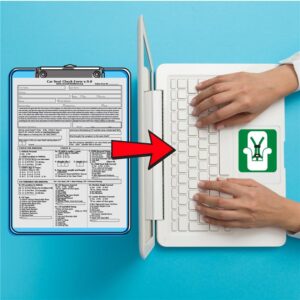
Based on feedback and performance research, the National Safety Council is testing a new tool to support paper entry into the National Digital Car Seat Check Form. Our team can now transfer clipboard-collected data into the digital database. To learn more or join this pilot testing program, email [email protected].